Async Work
Part of Asynchronous work habits
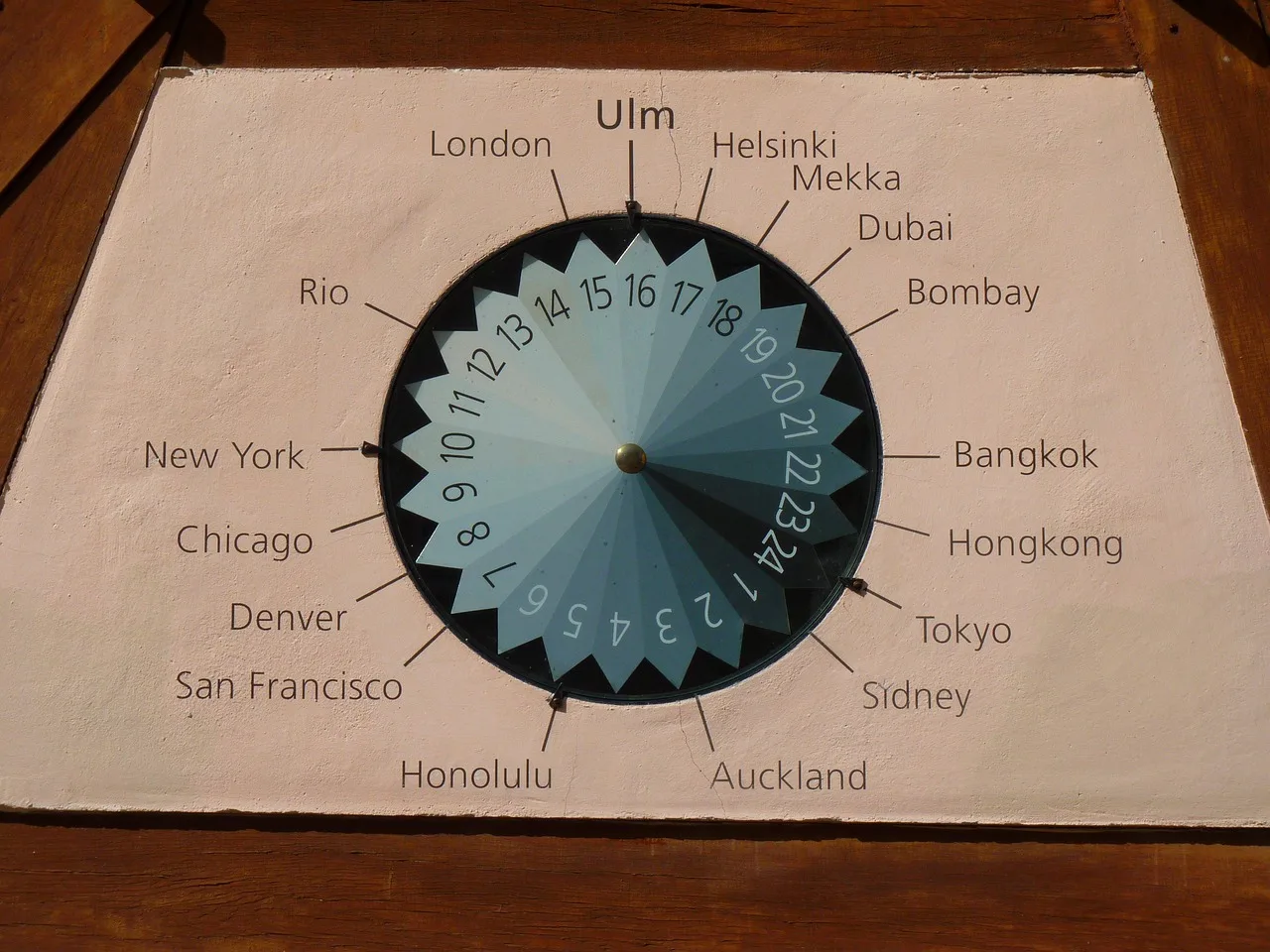
Giving enough context for a teammate in another timezone
A teammate waking up hours later should be able to continue the work without waiting for you to come online. Put the objective, current state and next decision in …
A teammate waking up hours later should be able to continue the work without waiting for you to come online. Put the objective, current state and next decision in the handover, then point to the authoritative material.
Explain what has changed since the last update, what has already been tried and what must not be changed. Include the owner, deadline with time zone and any dependency that will block progress.
Write the handover so it can be read quickly on a phone or between meetings. Lead with the most important point, keep sentences short and avoid shorthand that only the people in the earlier conversation would understand. A reader who has to decode abbreviations or guess at names will probably lose time before doing any real work.
If you need a review, provide the specific question and a default course of action if no answer arrives by the agreed time. Do not frame silence as approval for a high-impact change unless that rule was explicitly agreed.
Be generous with the reasoning behind a request, not only the request itself. If you ask for a change, say why it matters and what you considered. A colleague who understands the purpose can make a sensible judgement when something unexpected comes up, instead of waiting for you to come online.
Keep one durable project location for status and decisions. Atlassian's guidance on async collaboration stresses keeping work and decisions visible in tools such as Jira and Confluence, so progress does not depend on who is online. That matters more across time zones because a missing detail can cost an entire working day.
Before ending your day, read the handover as if you were new to the task. Can the other person tell which file is current, what success looks like and how to escalate a true blocker? If not, add that context. Use a live overlap window for sensitive disagreement or a decision that needs rapid back-and-forth, and record the result afterwards.
Over time, ask your teammates what they wished the handover had included. Small, repeated gaps, such as a missing link or an unclear deadline, are easy to fix once you know about them. A short checklist for your own handovers can then keep those details consistent from one day to the next.